
Off-plan properties
Dubai has firmly established itself as one of the world's leading destinations for digital nomads and remote professionals. In 2026, the city combines tax efficiency, global connectivity, strong infrastructure, and long-term visa options with a lifestyle that few cities can replicate.
However, choosing the right accommodation model is not a secondary decision — it directly affects productivity, networking opportunities, cost control, and long-term strategy. Traditional annual rental contracts in Dubai often require upfront payments and post-dated cheques, which rarely suit mobile professionals. As a result, co-living spaces and serviced apartments have become the primary housing solutions for digital nomads.
This guide explains the real mechanics behind these formats, legal nuances, pricing structures, infrastructure standards, and — most importantly — which areas in Dubai provide the best work-life balance depending on your goals.
Dubai's appeal extends beyond the absence of personal income tax.
Key structural advantages include:
For professionals earning in USD or EUR, Dubai can offer higher net savings compared to major European capitals — depending on lifestyle and housing choices.
However, cost efficiency depends heavily on where and how you live.
1. Co-Living in Dubai: Community-Driven and Flexible
Co-living spaces are designed around shared community environments with private sleeping quarters and common areas.
Best suited for:
Typical inclusions:
Co-living reduces entry friction. It also creates organic networking — a major advantage for newcomers without an established local circle.
Risks to consider:
2. Serviced Apartments: Privacy with Operational Simplicity
Serviced apartments combine residential independence with hotel-style management.
Typically include:
Best suited for:
This model provides greater stability and predictability — at a higher cost.
Understanding the legal framework is essential.
In Dubai, accommodation may fall into three categories:
Co-living spaces often operate under subleasing or hybrid licensing models. While common and widely used, they may not provide the same tenancy protections as Ejari-registered contracts.
For stays exceeding 6 months or when applying for certain services, a formal tenancy contract may be required.
Always verify:
Approximate monthly rental ranges:
Additional costs may include:
Mid-term bookings (3–6 months) usually secure better rates than weekly or hotel-style stays.
Dubai is district-driven. Your productivity, networking exposure, commute, and lifestyle rhythm depend entirely on location. Below is a structured comparison of the most suitable areas for digital nomads in 2026.
| Area | Work Environment | Lifestyle Rhythm | Budget Level | Walkability | Best For |
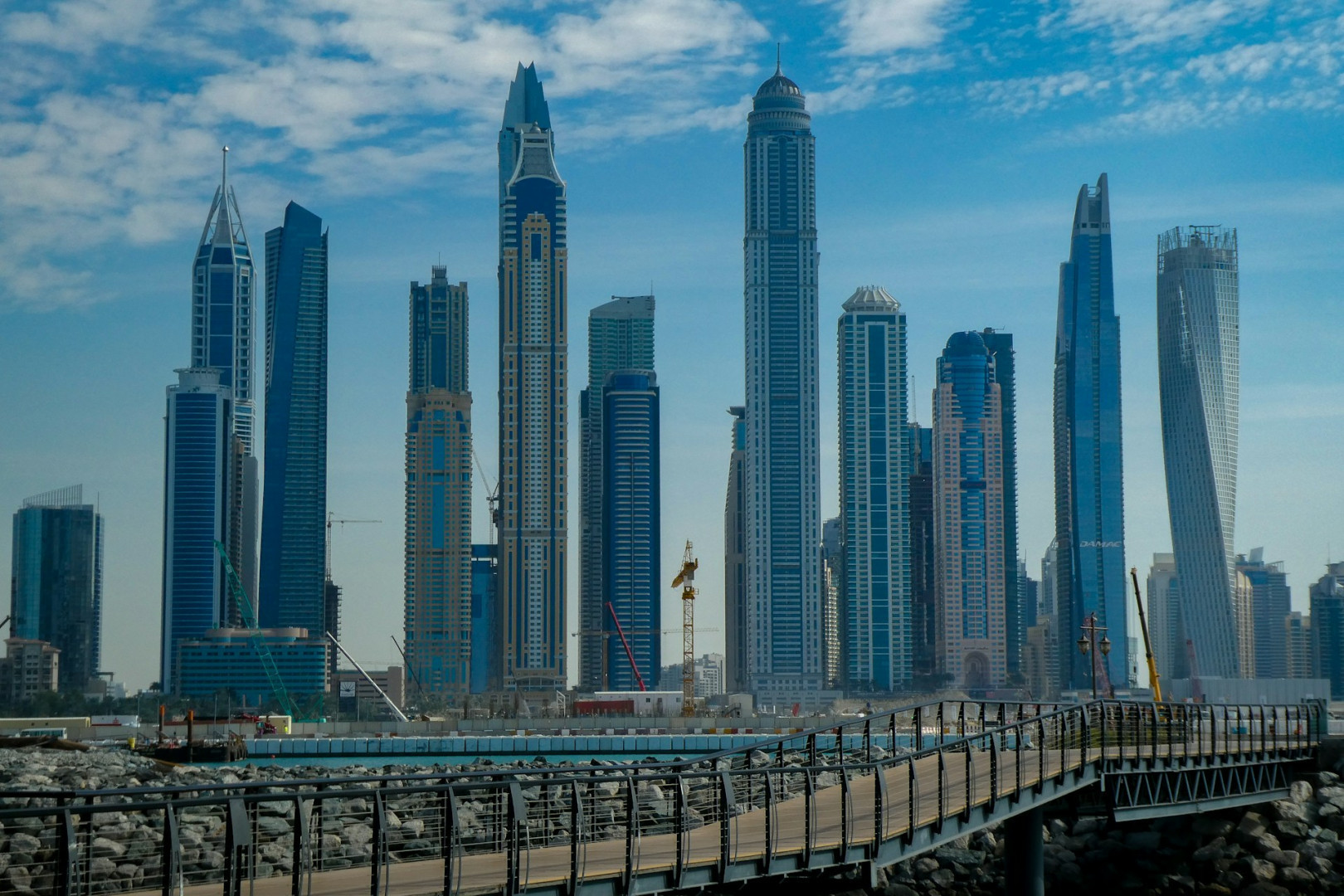
| Dubai Marina | Social, café-based work | Fast-paced, vibrant | High | High | Creators, social founders |
| JLT | Balanced, coworking-friendly | Structured, calmer | Medium | Medium–High | Consultants, tech nomads |
| Business Bay | Corporate, meeting-driven | Urban, efficient | Medium--High | Medium | Finance, fintech, founders |
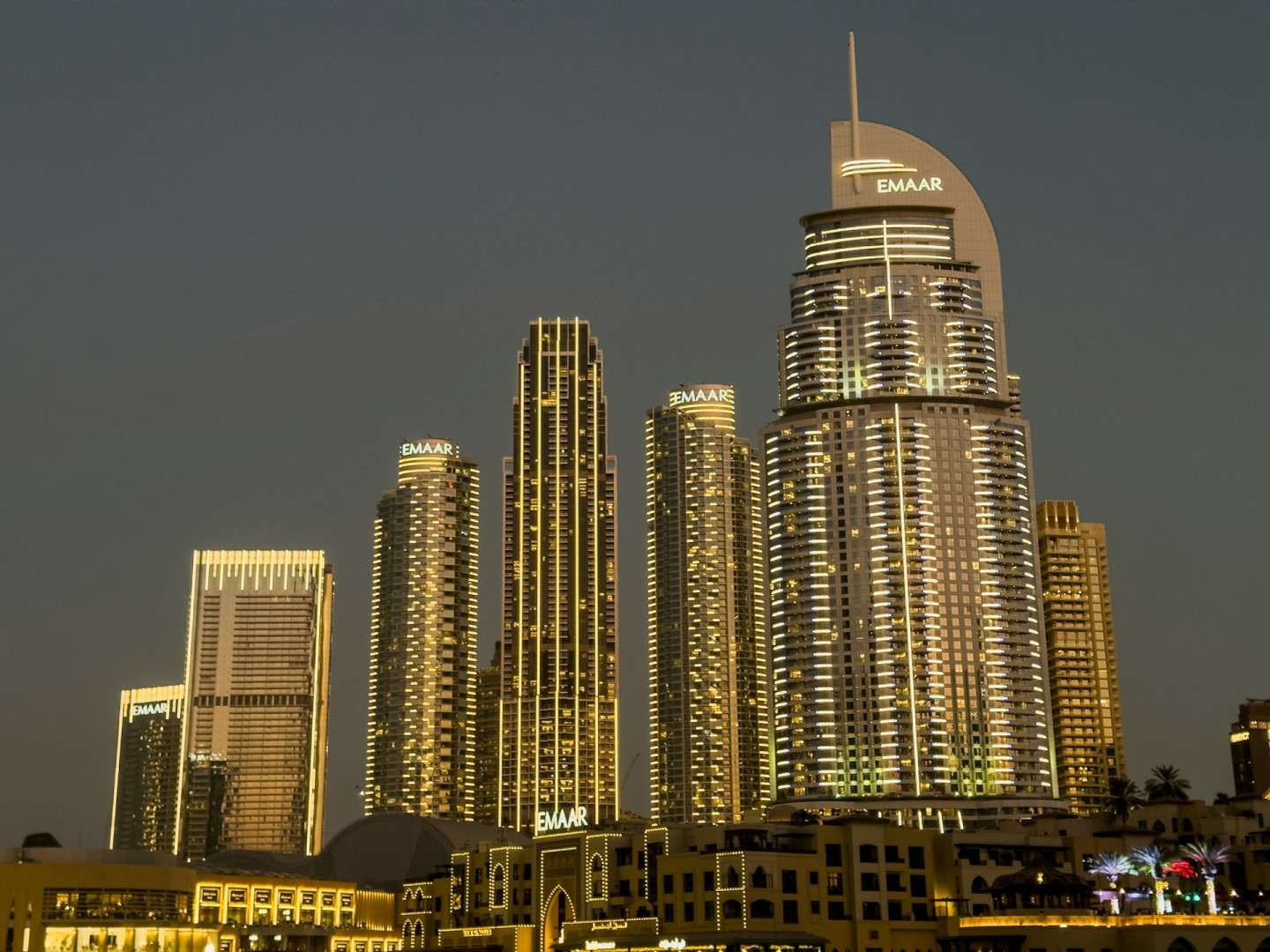
| Downtown | Executive, premium | Prestige-driven | High | High | Short-term executives |
| Dubai Hills | Quiet, residential | Calm, routine-based | Medium | Low | Long-stay professionals |
| Palm Jumeirah | Private, high-end | Resort-style | Very High | Low | High-income nomads |
| Al Barsha | Functional | Practical, low-profile | Medium–Low | Medium | Budget long stays |
Dubai offers:
Before signing:
Many digital nomads follow this path:
Accommodation choice often signals long-term intentions.
Can I rent without UAE residency?
Yes, serviced apartments and many co-living spaces allow short-term contracts.
Is Dubai expensive for digital nomads?
It depends on lifestyle. Tax efficiency often offsets housing costs for USD/EUR earners.
Which area is best for networking?
Business Bay, Marina, and Downtown offer strong professional ecosystems.
Is the Remote Work Visa mandatory?
For long stays, yes. Eligibility requirements (including minimum income thresholds) should be verified before applying.
Are serviced apartments subject to VAT?
Hotel-style accommodations typically include 5% VAT and tourism fees.
Dubai in 2026 provides one of the most advanced ecosystems for digital nomads globally. The city offers scalable housing solutions — from social co-living environments to premium serviced residences.
The real decision is not simply "co-living or serviced apartment." It is choosing:
Dubai rewards structured planning.
If you are considering relocating to Dubai — short-term or long-term — housing decisions directly affect your visa strategy, financial structure, and future investment flexibility.
At DDA Real Estate, we assist digital professionals with:
Contact DDA Real Estate for tailored guidance on co-living, serviced apartments, and long-term housing strategy in Dubai — aligned with your income structure, professional goals, and relocation plans for 2026.