Off-plan properties
Most investors entering Dubai make the same mistake: they try to choose the “best area.”
In reality, there is no universal answer. Dubai Hills Estate, Palm Jumeirah, and Jumeirah Village Circle (JVC) are not competing locations — they are three fundamentally different types of assets, each solving a different financial task.
Understanding this difference is what separates a random purchase from a structured investment.
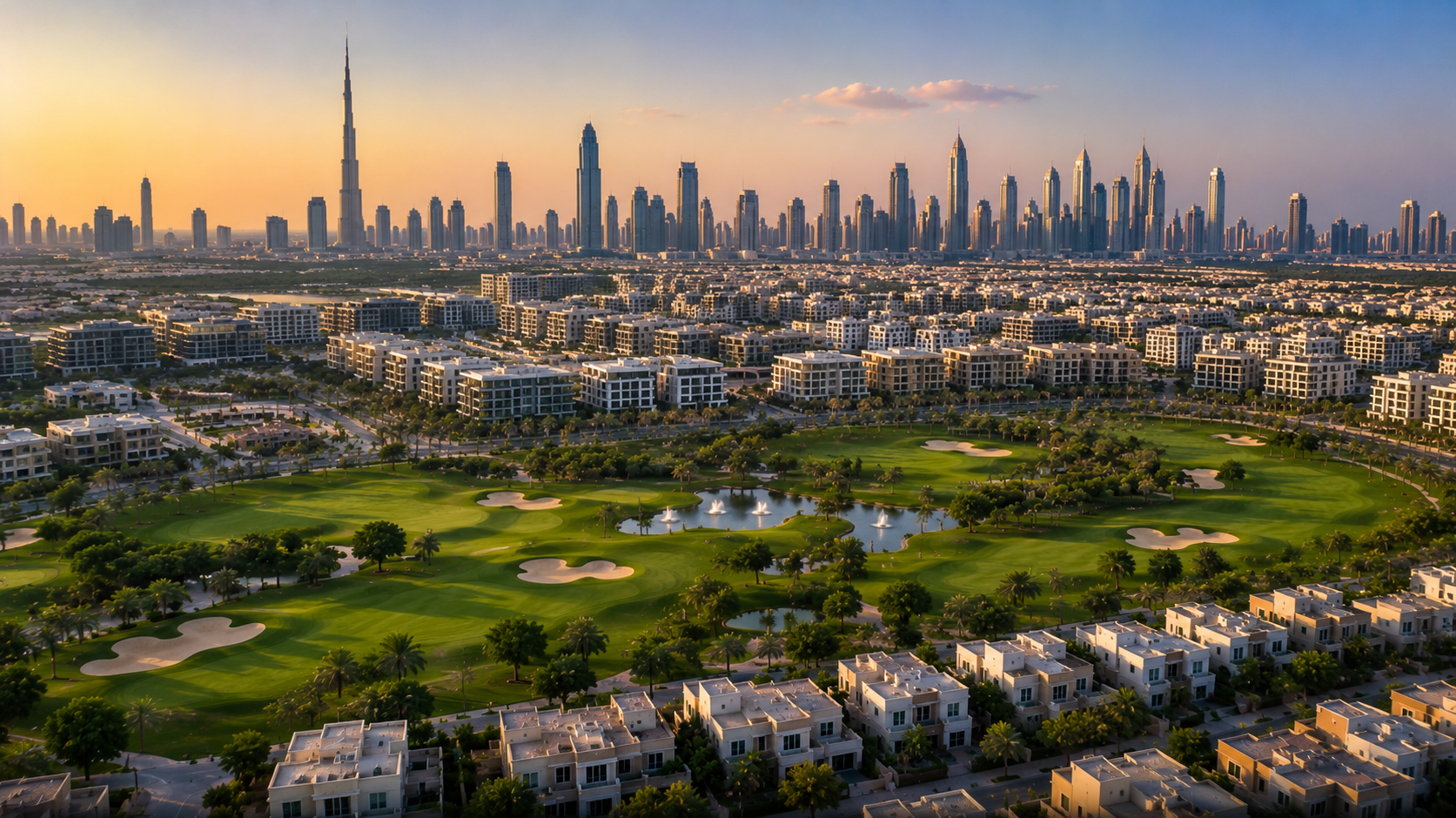
Dubai Hills Estate is often described as one of the most balanced communities in Dubai — and that balance is exactly what defines its investment profile.
Unlike highly speculative zones, Dubai Hills was developed as a fully integrated residential ecosystem by Emaar. This means price growth is primarily driven by end-user demand rather than short-term investor activity. The area attracts families and professionals looking for long-term living, which creates a more stable and predictable rental environment.
Its strategic location — with direct access to Downtown and major business districts via Al Khail Road — reinforces this demand. Combined with lower density, green spaces, and strong infrastructure, it positions Dubai Hills as a long-term residential hub rather than a transient rental market.
From an investment standpoint, this translates into lower volatility and consistent occupancy. Typical gross yields range between 5–7%, slightly below high-density areas, but with significantly reduced risk.
Dubai Hills Estate is generally chosen by investors who prioritize capital stability and steady appreciation over aggressive returns. It plays the role of a “core asset” within a portfolio — reliable, liquid, and resilient to market fluctuations.
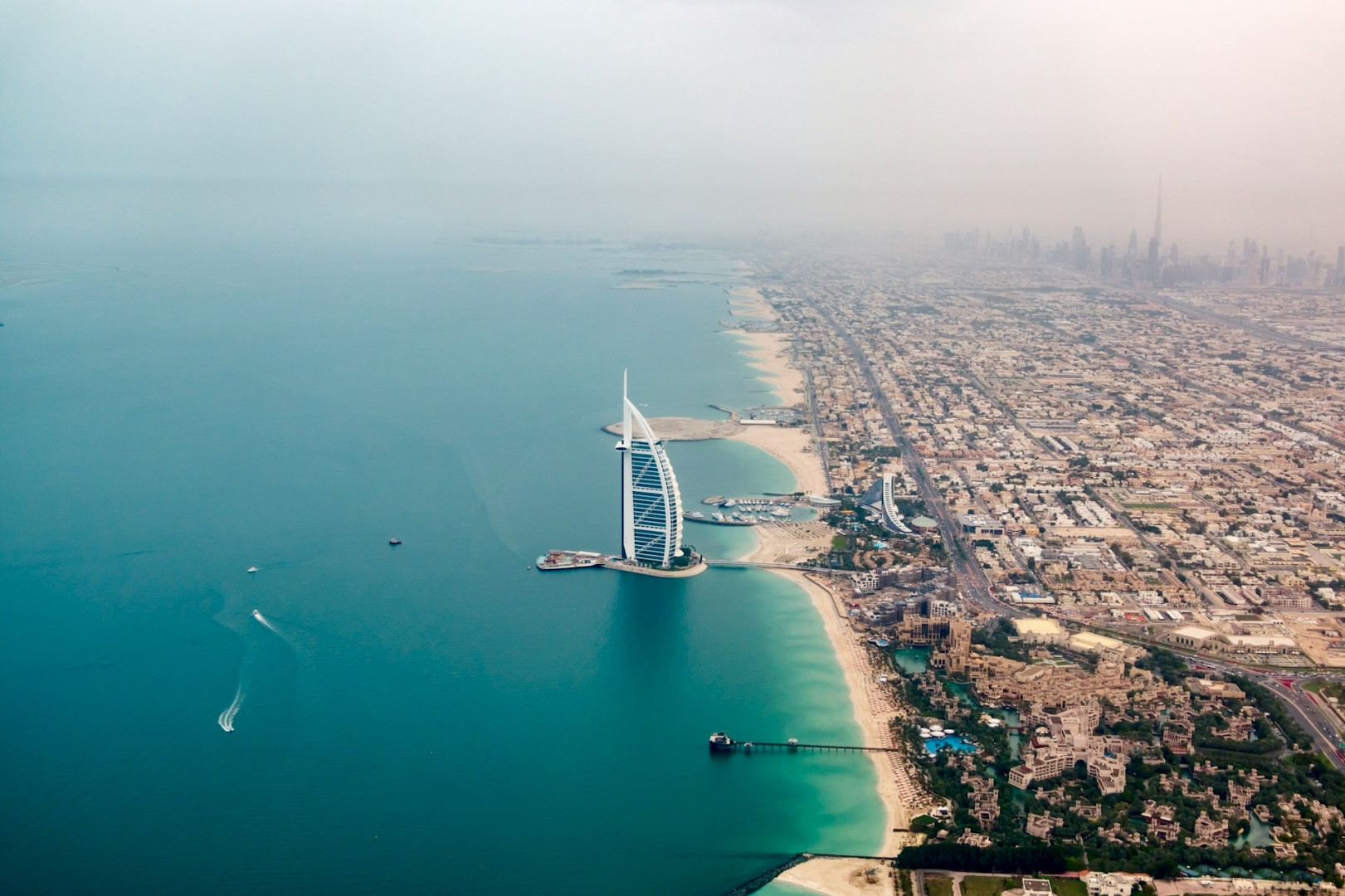
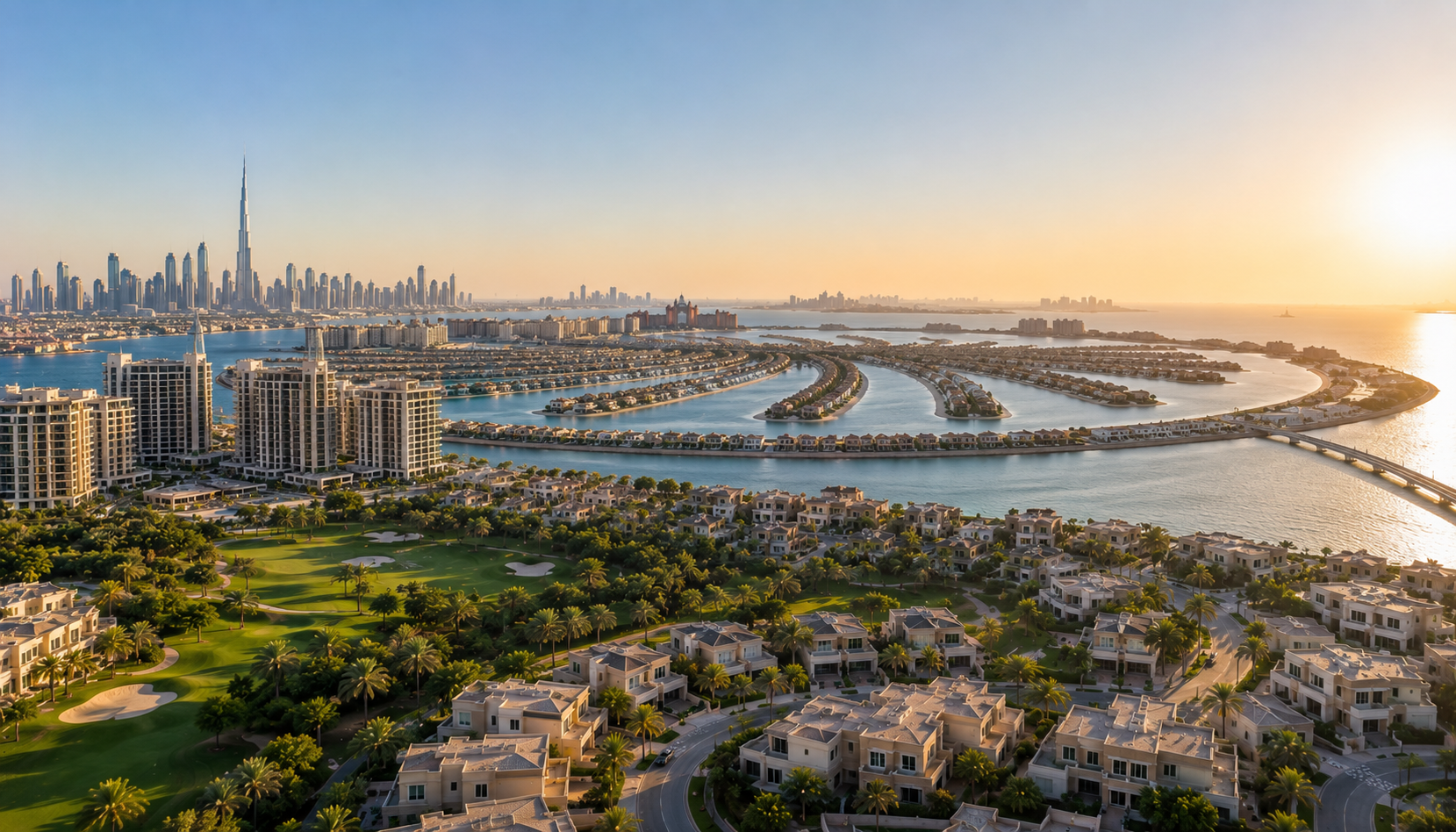
Palm Jumeirah operates under a completely different logic. It is not driven by rental yield — it is driven by scarcity and global demand.
There is a limited amount of beachfront property in Dubai, and Palm Jumeirah concentrates a large portion of it. This alone creates structural pressure on prices. However, the more important factor is the type of buyer: demand here is international, coming from high-net-worth individuals allocating capital across global markets.
As a result, pricing dynamics on the Palm are less dependent on local cycles and more influenced by global wealth flows. Premium properties, especially branded residences, behave closer to luxury assets than standard real estate.
Ongoing development of ultra-luxury projects — including branded residences and high-end hospitality — further strengthens its positioning.
From an investment perspective, Palm Jumeirah offers:
However, this comes with trade-offs. The entry ticket is significantly higher, and rental income is not the primary driver of returns. Instead, the focus is on capital preservation and exposure to the global luxury segment.
Palm Jumeirah is best understood as a defensive asset — one that protects wealth while still offering long-term upside.
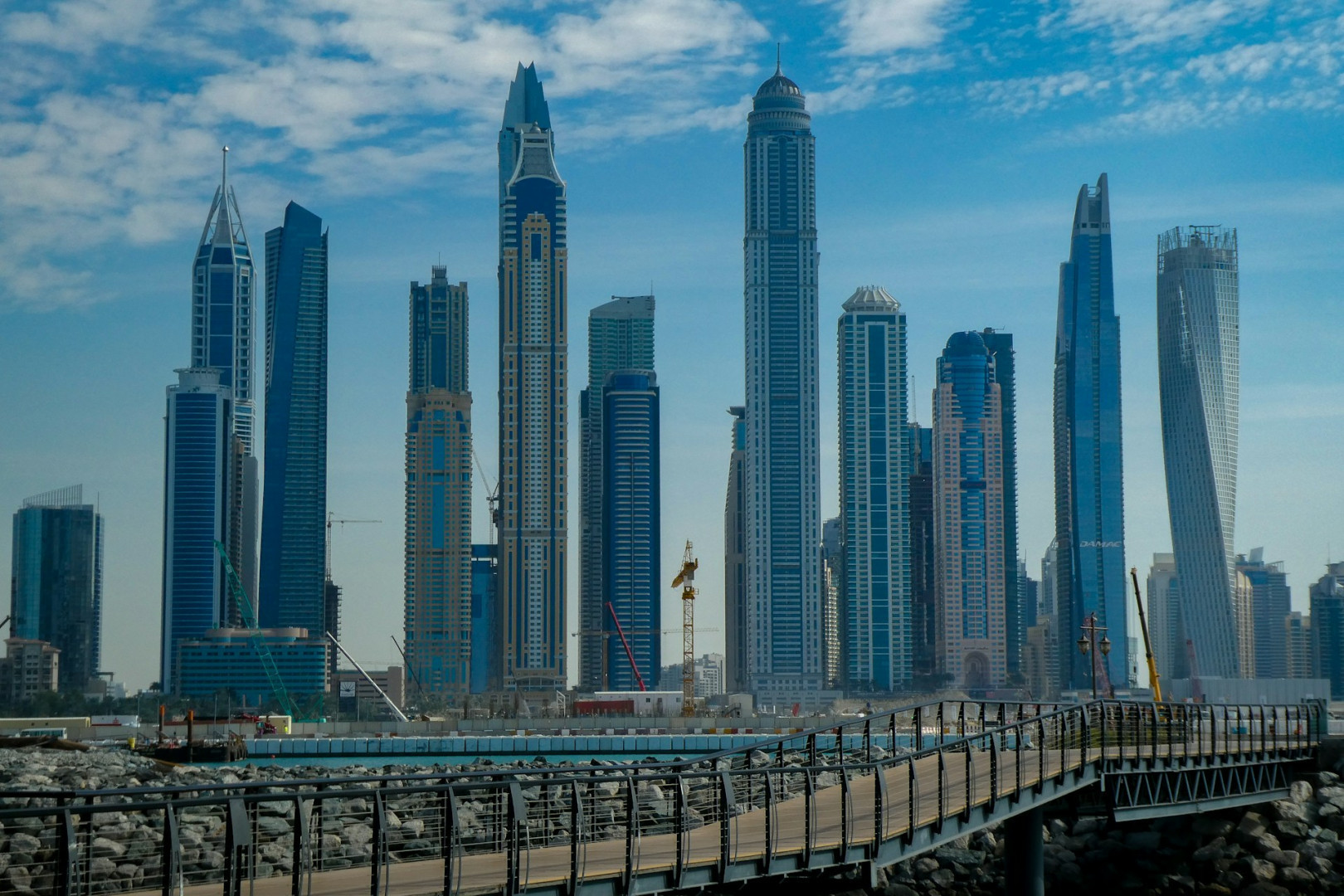
Jumeirah Village Circle represents the high-yield segment of Dubai’s real estate market. It is one of the most active areas in terms of transaction volume, driven by affordability and strong rental demand.
The investment logic here is straightforward: lower entry prices combined with a large tenant pool create opportunities for higher cash flow.
The area attracts young professionals and small families seeking affordable housing within Dubai, ensuring a consistent demand base. As a result, gross yields in JVC typically range from 7–9%, making it one of the most attractive income-driven markets.
However, unlike Dubai Hills or Palm Jumeirah, JVC is highly project-dependent. Performance can vary significantly between buildings.
The main challenge is oversupply in certain clusters and varying construction quality across developers. This means that success in JVC depends less on the area itself and more on execution — choosing the right project, developer, and micro-location.
When selected correctly, JVC can deliver strong and consistent cash flow. When selected poorly, returns may fall below expectations despite favorable market averages.
| Criteria | Dubai Hills Estate | Palm Jumeirah | JVC |
|---|---|---|---|
| Entry level | Medium | High | Low |
| Gross ROI | 5–7% | 4–6% | 7–9% |
| Risk level | Low | Low | Medium |
| Liquidity | High | Medium | High |
| Capital growth | Stable | Strong (premium) | Moderate |
| Strategy | Stability | Capital preservation | Income |
This comparison highlights a key insight: these areas are not alternatives — they are complementary.
Dubai Hills provides stability and long-term growth. Palm Jumeirah offers exposure to global luxury capital. JVC delivers yield and scalability.
A well-structured portfolio often includes elements of all three.
Sophisticated investors rarely rely on a single asset type. Instead, they combine different market segments to balance risk and return.
For example, an investor with a $1M budget might allocate capital across:
This approach allows them to generate cash flow while maintaining long-term capital growth and liquidity.
The key advantage is diversification — not across countries, but within one market that offers multiple investment profiles.
Despite its strengths, the Dubai market is no longer forgiving to uninformed decisions.
Each of these areas carries its own risks.
In JVC, oversupply in certain segments can affect both rental rates and resale potential. In Dubai Hills Estate, slower yield growth may not meet expectations of investors focused on short-term returns. On Palm Jumeirah, the main challenge is capital concentration — a large portion of funds tied into a single high-value asset.
These risks are not structural flaws of the market. They are execution risks — and they can be managed through proper analysis and strategy.
One of the most important shifts in 2026 is that location alone is no longer enough.
In JVC, selecting the wrong project can lead to underperformance despite strong overall demand. In Dubai Hills, choosing the right phase and developer defines the investment outcome. On Palm Jumeirah, asset quality and brand positioning play a critical role in long-term appreciation.
The market has matured to the point where strategy and selection matter more than the area itself.
Which area offers the highest rental yield?
JVC typically provides the highest gross ROI, but performance depends heavily on project selection.
Is Dubai Hills Estate suitable for long-term investment?
Yes, it is considered one of the most stable areas due to strong end-user demand and consistent growth.
Why invest in Palm Jumeirah despite lower yields?
Because it offers capital protection, global demand, and long-term appreciation driven by scarcity.
Can foreign investors buy property in these areas?
Yes, all three are freehold zones allowing full ownership.
Is it possible to buy with a payment plan?
Yes, many developers offer interest-free installment plans.
Dubai’s real estate market offers multiple entry points — but its real strength lies in how these segments can be combined into a structured investment strategy.
Dubai Hills Estate delivers stability. Palm Jumeirah protects capital. JVC generates income.
The decision is not about choosing one — it is about building the right mix.
In today’s Dubai market, success depends less on finding a “good property” and more on building a well-structured investment strategy.
At DDA Real Estate, we help investors approach the market professionally:
We operate under license, ensure confidentiality, and support clients at every stage of the transaction — from selection to handover, including professional property inspection.
If you are considering investing in Dubai in 2026, the right starting point is not a listing — it is a strategy aligned with your capital and long-term goals.